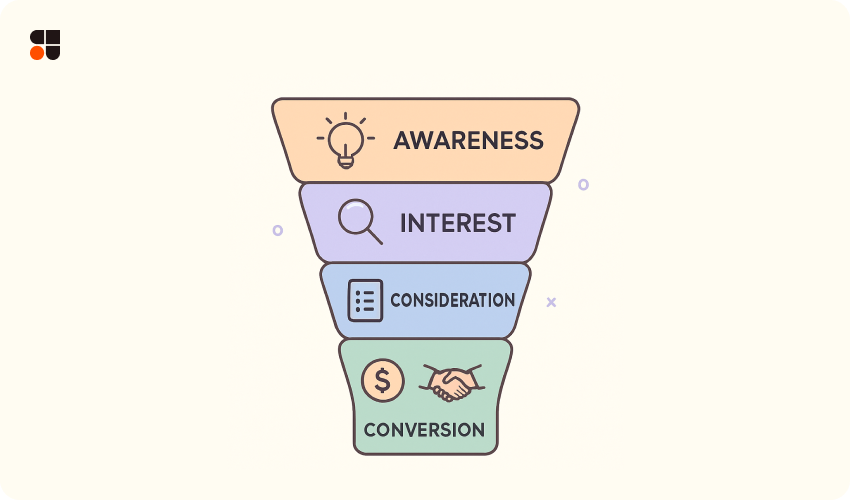
Lead generation is the process of attracting and converting strangers and prospects into individuals who have shown interest in your company’s products or services. It’s a crucial step in moving potential customers through your sales funnel, helping your business grow in a predictable, scalable way.
At its core, lead generation is all about capturing interest from people who could become your future clients. It involves identifying, attracting, and engaging your target audience and moving them towards a purchase decision.
Types of Leads
1. Marketing Qualified Leads (MQLs)
MQLs are prospects who have engaged with your marketing efforts—such as downloading an eBook, signing up for a webinar, or subscribing to your newsletter. They show initial interest but are not yet ready for a direct sales conversation.
2. Sales Qualified Leads (SQLs)
SQLs are prospects who have moved further down the funnel. They’ve demonstrated intent to buy and are primed for direct engagement with your sales team.
3. Product Qualified Leads (PQLs)
PQLs typically arise in companies offering free trials or freemium products. These are users who have experienced value from your product and are more likely to convert to paying customers.
4. Service Qualified Leads (SQLs)
These leads have indicated a clear interest in a specific service and are deemed ready for a service-based sales conversation, often after an initial consultation or discovery call.
Why Do You Need Lead Generation?
Lead generation is essential because it fuels your pipeline with qualified prospects, ensuring your business can scale, weather slow periods, and maintain consistent growth. Without a healthy influx of leads, even the best sales team will struggle to hit targets. More importantly, lead generation enables you to:
- Attract customers actively seeking your solution.
- Reduce the cost of customer acquisition.
- Build credibility and trust via educational touchpoints.
- Shorten your sales cycle with better-qualified leads.
How Lead Generation Works
The process involves several steps:
- Targeting: Identifying your ideal audience.
- Attracting: Utilizing diverse channels to engage that audience.
- Capturing: Collecting information through forms, calls, or chats.
- Nurturing: Building relationships through follow-up and value-driven communication.
- Qualifying: Segmenting leads based on readiness to buy.
- Hand-off: Passing qualified leads to your sales team for closing.
Hubdot.io streamlines this process using high-converting strategies, automation, and analytical tools—making it easier for businesses to continually attract, nurture, and convert leads.
Inbound vs. Outbound Lead Generation Strategies
Both inbound and outbound strategies play a pivotal role in a robust lead generation framework. Here’s how they differ:
Inbound Lead Generation
Inbound focuses on attracting potential leads through valuable content, making them come to you.
Channels of Inbound Lead Generation
- Content Marketing: Blog posts, videos, whitepapers, and case studies establish expertise and build trust.
- Search Engine Optimization (SEO): Optimizing your site and content for search engines ensures you appear when prospects are looking for solutions.
- Social Media: Platforms like LinkedIn, Instagram, and Facebook let you connect authentically with your audience.
- Email Marketing: Sending targeted, relevant emails to nurture and engage prospects over time.
Outbound Lead Generation
Outbound strategies involve reaching out directly to prospects.
Channels of Outbound Lead Generation
- Cold Calling: Direct phone outreach to introduce your offering.
- LinkedIn & Email Outreach: Personalized messages on LinkedIn and cold emails to decision-makers.
- Social Selling: Leveraging social networks to build relationships with prospects.
- Paid Advertising: Reaching new audiences through PPC, social ads, or display networks.
Hubdot.io leverages a blend of inbound and outbound techniques, customizing the mix to maximize your lead flow.
Best Practices for Lead Generation For Your Business
1. Target the Right Audience
Define clear buyer personas to ensure all efforts are directed at prospects who are likely to convert.
2. Proper Lead Qualification
Evaluate leads based on criteria such as engagement level, budget, and fit.
3. Consistent Brand Messaging
Ensure your brand voice and value propositions are consistent across all channels.
4. Use a CRM Tool
Organize and track leads efficiently, automate follow-ups, and prevent leads from slipping through the cracks.
5. Nurture Leads Through the Sales Funnel
Deliver relevant content and personalize communication at every stage.
6. Use AI to Analyze Data
Leverage AI and analytics to segment audiences, score leads, and predict buying behavior.
7. Feedback from Sales Team
Close the loop with your sales team to continually refine targeting and messaging.
On www.hubdot.io, we help businesses implement these best practices by offering tailored lead generation strategies, CRM integration, and advanced data analytics.
Tools to Use for Lead Generation
- CRM software (HubSpot, Salesforce)
- Email marketing platforms (Yamm, Mailchimp)
- LinkedIn automation tools (Aimfox, Sales Navigtor)
- Live chat and chatbot solutions
- Analytics and reporting tools
Hubdot.io can integrate these tools into your workflow, providing a seamless pipeline from initial contact to closed sale.
Conclusion: Connect Hubdot Marketing to Generate Leads for Your Business
A strategic lead generation approach is essential for any business aiming for sustainable growth. With a mix of inbound and outbound tactics, effective tools, and best practices, you can consistently fill your funnel with high-quality leads. Hubdot.io specializes in crafting data-driven, performance-focused lead generation campaigns that help you connect with the right prospects, convert faster, and grow your revenue.
Lead Generation FAQs :
1. What is a Lead Generation Bot?
A lead generation bot is an automated tool—often a chatbot—used on your website or social platforms to capture visitor information, answer questions, and qualify leads in real time.
2. Why is Lead the First Go-to Book for Lead Generation?
Industry-leading resources like “Lead: How to Generate and Manage Leads for Explosive Growth” are considered go-to reads because they provide proven frameworks, strategies, and case studies for effective lead generation.
3. Why is Lead Generation Important?
Lead generation ensures your sales pipeline stays full, helps target the right buyers, and improves ROI by focusing resources on prospects with real potential.
4. How to Do B2B Lead Generation?
B2B lead generation involves using strategies like LinkedIn outreach, webinars, authoritative content, trade shows, and account-based marketing to identify and nurture business prospects.
5. How to Generate Inbound Leads?
Create valuable content, optimize for SEO, engage on social media, and use lead magnets (like eBooks or webinars) to attract prospects to your website.
6. How to Generate Leads Without Cold Calling?
Invest in inbound marketing (content, SEO, social media), run paid ads targeting your buyer persona, and use referrals or partnerships for warm introductions.
7. Is Lead Generation Sales or Marketing?
It’s both. Marketing typically generates and nurtures leads while sales works to convert qualified leads into paying customers.
By choosing www.hubdot.io as your partner, you gain access to expert-driven lead generation solutions tailored to your unique business goals—helping you attract, nurture, and convert more leads, faster.